


Independent educational resource. Not affiliated with, and does not represent, any specific camera-equipment manufacturer.
Glide
Independent guide · Camera movement gear

How to Choose Camera Movement Gear Without Overbuying

Glide breaks down sliders, dollies, stabilizers, and motorized heads by what kind of motion they actually produce – so the decision starts with the shot you need, not with a spec sheet.

Linear
Sliders, track dollies
Free-form
Handheld stabilizers
Rotational
Motorized pan & tilt heads
Rolling
Wheeled dollies
Category by category

What each type of gear is actually built for

Camera movement gear isn't one category – it's several, each solving a different problem with a different trade-off between control, speed, and cost.

Sliders: controlled, repeatable linear motion

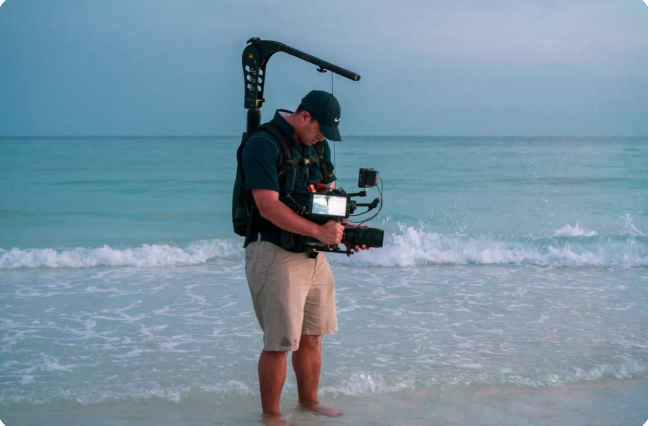
Camera slider with a mounted camera
Image unavailable

A slider moves the camera along a fixed straight rail, typically a meter or two long, producing smooth lateral or push-in motion – the most common tool for adding subtle movement to interviews, product shots, and establishing scenes.

Manual sliders rely on the operator's hand for speed and timing; motorized versions add programmable, repeatable moves that a hand simply can't replicate with the same consistency.

Dollies: motion untethered from a fixed rail

Unlike a slider, a dolly rolls on wheels across a floor or tabletop surface, allowing longer and more flexible travel paths – useful when a shot needs to follow a subject across a larger space than a slider's rail length allows.

Stabilizers: free-form motion without visible shake

Handheld stabilizers use mechanical or motorized balancing to let an operator walk, run, or climb while keeping footage smooth – the trade-off is that the resulting motion is inherently less precise and repeatable than a rail-based system.

When motorization actually matters

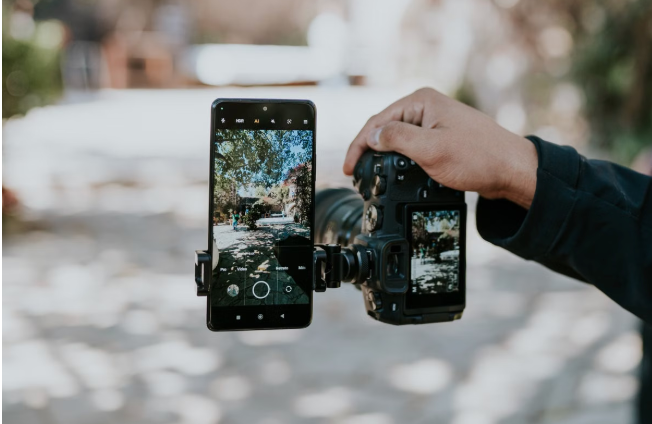
Motorized camera head
Image unavailable

Motorization earns its cost when a shot needs to be repeated exactly – time-lapse sequences, product photography, or match-move shots for visual effects – rather than for a single, one-off camera move that a skilled operator can already execute by hand.

What to actually check before buying

Payload capacity, build weight relative to how it will be transported, and compatibility with a tripod or existing rig matter more, in practice, than most of the marketing language used to describe a given piece of gear.

For comparison

Slider, dolly, or handheld stabilizer

Type
Characteristic
Slider

Highly controlled and repeatable, but limited to the length of its rail.

Dolly

Greater range of travel than a slider, but requires a reasonably smooth surface to move on.

Handheld stabilizer

Maximum freedom of movement across any terrain, at the cost of precision and repeatability.

Common mistakes

Four mistakes worth avoiding

×
Buying motorized gear before mastering manual technique

Motorization compensates for repeatability, not for basic camera-movement skill.

×
Ignoring payload weight until after purchase

A rig rated below the actual camera-and-lens combination will underperform or fail entirely.

×
Choosing gear based on someone else's shot list

The right equipment depends on the kind of footage actually being produced, not on what looked impressive online.

×
Underestimating setup and transport time

Gear that takes twenty minutes to assemble rarely gets used on fast-paced shoots, regardless of the quality of the resulting shot.

The full piece

Why Smooth Motion Matters More Than Raw Specs
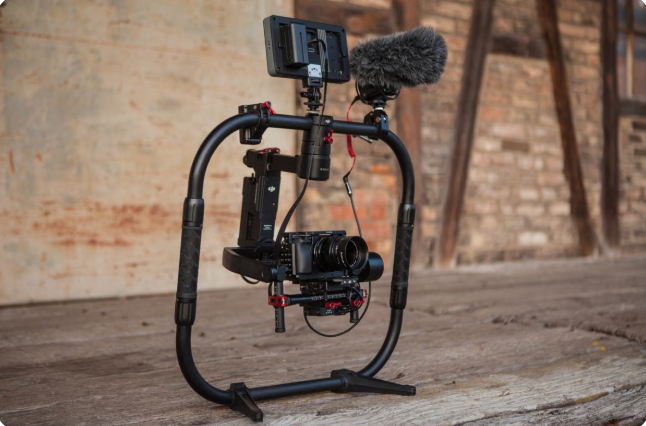
Filmmaker operating camera gear on set
Image unavailable — replace with a licensed photo before publishing.

It's easy to get pulled into comparing payload numbers, motor torque, and battery life when shopping for camera movement gear – but none of those specs guarantee the one thing that actually shows up on screen: how smooth the motion looks.

What "smooth" actually depends on

Smoothness comes from a combination of build rigidity, how well the gear is leveled and balanced, and how consistent the operator's input is – a premium slider used carelessly on an unlevel surface will still produce visibly shaky footage, regardless of its price tag.

Why cheaper gear used well can outperform expensive gear used poorly

A modest slider, carefully leveled and operated with deliberate, even movements, frequently produces cleaner results than premium equipment rushed through setup – technique and preparation compensate for a surprising amount of equipment limitation.

The hidden cost of motion that's technically smooth but poorly timed

Mechanically smooth motion that starts or stops too abruptly still reads as unnatural to a viewer – easing in and out of a move, rather than moving at constant speed throughout, is often what separates footage that feels professional from footage that merely feels stable.

Why motorized gear doesn't automatically solve this problem

A motorized system removes hand tremor from the equation, but a badly programmed move – wrong speed curve, wrong acceleration profile – will still look mechanical and unnatural; motorization changes what can go wrong, not whether something can go wrong.

What this means when choosing gear

Prioritizing build quality, ease of leveling, and how intuitively a system lets an operator control acceleration tends to matter more for the final result than chasing the highest payload rating or the longest feature list on a spec sheet.

This article describes general principles of camera movement equipment and does not endorse or represent any specific brand or manufacturer.